
How Do Clogged Gutters Damage a Home Over Time?

AI Summary
Clogged gutters cause water to overflow and collect near the foundation
Overflow leads to structural, siding, and roofing damage
Moisture buildup increases the risk of mold and rot
Routine maintenance prevents costly long-term repairs
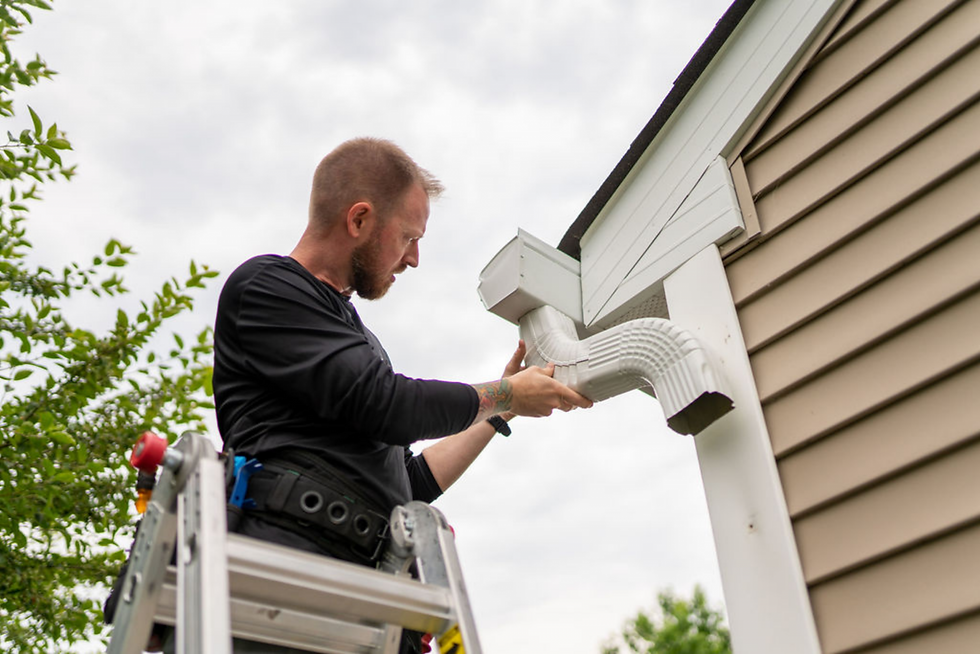
Gutters are designed to move rainwater safely away from your home. When they become clogged with leaves, debris, and dirt, they stop functioning properly. Instead of directing water away from the structure, clogged gutters allow it to overflow and pool in areas that were never meant to handle constant moisture exposure.
In Pennsylvania, where heavy rainfall, falling leaves, and winter snow are common, clogged gutters can quietly cause significant damage over time if left unaddressed.
Why Gutters Clog in the First Place
Gutters naturally collect debris as they channel water from the roof. Over time, buildup restricts water flow and creates blockages.
Common causes of clogs include:
Leaves and twigs from nearby trees
Shingle granules from roofing materials
Dirt and organic debris
Ice buildup during winter
Without regular cleaning, even small amounts of debris can turn into full blockages.
Water Overflow and Foundation Damage
When gutters clog, rainwater cannot move through the system efficiently. Instead, it spills over the edges and falls directly along the home’s perimeter.
This overflow can:
Saturate the soil around the foundation
Increase hydrostatic pressure
Cause foundation cracks
Lead to basement leaks
Repeated exposure weakens the foundation over time and increases the risk of structural repairs.
Basement and Crawl Space Moisture
Overflowing gutters often result in excess moisture near the basement walls. As soil becomes saturated, water can seep through foundation cracks and porous concrete.
Homeowners may notice:
Damp basement walls
Water pooling on floors
Musty odors
Mold growth
Unchecked moisture problems can spread and require expensive remediation.
Siding and Exterior Wall Damage
Clogged gutters also allow water to run down exterior walls instead of flowing through downspouts. This constant exposure can damage siding and underlying materials.
Possible consequences include:
Staining and discoloration
Rot behind siding panels
Warping or cracking
Mold growth beneath exterior surfaces
Water running down walls can gradually compromise the integrity of exterior materials.
Roof Damage From Standing Water
Gutters are designed to prevent water from backing up onto the roof. When clogged, water may accumulate along the roof edge.
Standing water can:
Damage roof shingles
Deteriorate fascia boards
Cause wood rot
Shorten the roof's lifespan
In winter, clogged gutters also contribute to ice dams, which increase the risk of leaks.
Ice Dams and Winter Risks
During Pennsylvania winters, clogged gutters can trap water that freezes overnight. This frozen water blocks drainage even further.
Ice dams form when:
Melted snow refreezes at the roof edges
Water backs up under shingles
Moisture enters the attic
Ice-related damage can affect insulation, drywall, and framing.
Fascia and Soffit Deterioration
Fascia boards and soffits support the gutter system and protect the roof edges. When gutters overflow, these components are exposed to constant moisture.
Over time, this can lead to:
Wood rot
Paint peeling
Structural weakening
Sagging gutters
Repairing fascia and soffit damage adds to the overall cost of neglected maintenance.
Landscape and Soil Erosion
Clogged gutters allow water to pour off the roof in concentrated areas. This runoff can erode landscaping and disturb soil grading.
Soil erosion may:
Wash away mulch and plants
Expose foundation walls
Create uneven ground settlement
Proper gutter function protects not only the structure but also the surrounding property.
Pest Infestation Risks
Debris-filled gutters create ideal nesting spots for pests. Birds, insects, and rodents may use clogged gutters as shelter.
Pest activity can lead to:
Additional debris buildup
Chewed roofing materials
Entry points into the attic
Keeping gutters clean reduces the risk of unwanted pests.
Increased Structural Stress Over Time
While clogged gutters may not cause immediate failure, the cumulative effect of repeated water exposure can weaken structural components.
Long-term risks include:
Foundation shifting
Framing deterioration
Mold-related material breakdown
Expensive structural repairs
The longer gutter issues are ignored, the more severe the damage becomes.
Warning Signs of Clogged Gutters
Homeowners should watch for early indicators of gutter problems.
Common signs include:
Water spilling over the edges during rain
Sagging or pulling away from the house
Plants growing inside gutters
Visible debris buildup
Stains on siding
Addressing these signs early prevents further damage.
Importance of Regular Gutter Maintenance
Routine gutter cleaning and inspection significantly reduces the risk of long term damage.
Recommended maintenance includes:
Cleaning gutters at least twice per year
Checking downspouts for blockages
Inspecting for loose sections
Ensuring proper drainage away from the foundation
Preventative care is far less expensive than repairing structural damage.
When Gutter Replacement Is Necessary
In some cases, cleaning is not enough. Older or damaged systems may require replacement.
Replacement is often recommended when:
Gutters frequently sag or detach
Rust or corrosion is present
Seams leak repeatedly
The capacity is insufficient for the roof size
Upgrading to a properly sized system improves drainage performance.
Coordinating Gutters With Other Exterior Systems
Gutters work closely with roofing and siding systems to protect the home. If one component fails, others may suffer as well.
A complete exterior evaluation ensures:
Proper water flow from the roof to the ground
Protection of walls and foundation
Long-term structural stability
Integrated exterior systems offer the best protection against moisture damage.
People Also Ask About Clogged Gutters
Can clogged gutters really damage a home?
Yes. Overflowing water can damage foundations, roofs, and siding.
How often should gutters be cleaned?
At least twice per year and after heavy storms.
Do clogged gutters cause basement leaks?
Yes. Overflow increases soil saturation near foundation walls.
Are gutter guards worth it?
They reduce debris but still require periodic maintenance.
What happens if clogged gutters are ignored?
Long term water exposure leads to structural and moisture-related damage.
Frequently Asked Questions
Can I clean gutters myself?
Some homeowners do, but professional service ensures thorough cleaning and inspection.
Do gutters affect roof lifespan?
Yes. Proper drainage prevents water from backing up onto shingles.
How far should downspouts extend?
Several feet away from the foundation.
Are clogged gutters a serious issue?
Yes. Over time, they can lead to costly structural repairs.
Planning Ahead With Confidence
Clogged gutters may seem minor at first, but over time, they can cause serious damage to your roof, siding, foundation, and interior spaces. Regular maintenance and timely repairs protect your home from moisture-related problems that grow more expensive with each season.
At Incline Construction, we help homeowners protect their properties with professional roofing, siding, gutter, and window services designed for long term durability. Our team ensures your exterior systems work together to safeguard your home from water damage.
If you suspect clogged gutters or want a professional evaluation, call (412) 999 9779 or fill out our online form for a free estimate to keep your home protected year-round.


Comments