
Do Leaf Guard Gutters Actually Work?

Key Takeaway
Leaf guard gutters reduce how often you need to clean your gutters, but no system eliminates maintenance entirely.
Western Pennsylvania's heavy leaf fall, ice dams, and freeze-thaw cycles make gutter protection more valuable here than in milder climates.
The right leaf guard system depends on your roof pitch, tree coverage, and the type of debris common around your home.
A professional installation delivers better long-term results than a DIY product dropped into existing gutters.

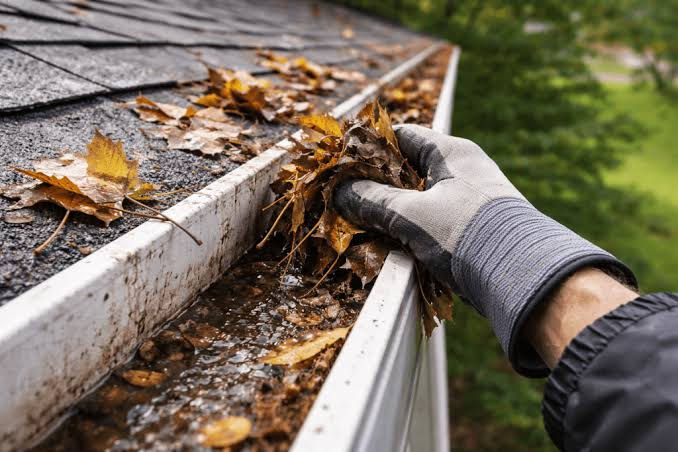
Every fall, homeowners across Western PA spend a weekend on a ladder scooping soggy leaves out of clogged gutters, only to do it again before the first hard freeze. It is exhausting, it is messy, and it is genuinely dangerous work. Leaf guard gutters promise to solve that problem, and for many homeowners, the pitch sounds almost too good to be true.
The frustration is real, and the question is fair. If you are tired of paying for gutter cleaning year after year, or you are worried about what happens when debris blocks drainage during a heavy storm, this post gives you a straight answer. We serve homeowners throughout Greensburg, Pittsburgh, and Westmoreland County, and our Gutters page covers the full range of solutions we install across the region.
Why Gutter Performance Is a Bigger Deal in Western PA
Leaf guard gutters face a harder test in Western Pennsylvania than in most parts of the country. Westmoreland County and the greater Pittsburgh area sit inside a zone where deciduous trees are dense, fall leaf drop is heavy, and summer storms regularly push wind-driven rain sideways against fascia boards and rooflines. That combination loads gutters with debris faster than homeowners in drier or more temperate regions experience.
Winters here add another layer of stress. The freeze-thaw swings that run from November through March cause ice dams to form along roof edges, and those dams push back against gutters, flashing, and siding seams in ways that milder climates simply do not produce. A gutter system that sits full of compacted debris going into a freeze is far more likely to pull away from the fascia or crack under the weight of ice. Protection that keeps gutters clear before winter arrives is not just a convenience, it is a practical investment in your home's exterior.
So Do Leaf Guard Gutters Actually Work?
The honest answer is yes, with realistic expectations. A quality leaf guard gutter system significantly reduces the volume of debris that reaches the gutter channel. It will not make your gutters maintenance-free forever, but it will reduce how often cleaning is necessary and protect against the most common clogs that lead to overflow and water damage.
Here is what you can realistically expect from a well-installed system:
Large leaves and pine needles are deflected away from the channel in most conditions.
Water flows along the curve of the guard and enters the gutter even during heavy rain.
Smaller debris like seed pods, shingle grit, and pollen can still collect over time and require occasional attention.
Systems installed on properly pitched seamless gutters perform better than those retrofit onto older sectional gutters.
No product on the market eliminates gutter maintenance completely, regardless of what any advertisement claims.
How Different Leaf Guard Systems Compare
There are several types of leaf guard systems, and they do not all perform the same way. The right choice depends on your roof type, the trees around your home, and how much debris your gutters typically handle each season.
Micro-Mesh Guards
Micro-mesh guards are widely considered the highest-performing option for most homes. A fine stainless steel mesh covers the gutter opening and allows water to pass through while blocking leaves, needles, and small debris. They handle the heavy leaf fall common in Westmoreland County well and hold up to the weight of ice and snow better than foam or brush-style inserts.
Surface Tension and Reverse-Curve Guards
These guards use the principle of surface tension to direct water into a narrow slot while debris falls off the edge. They work well on moderate slopes and with larger debris but can struggle with very heavy rainfall because water sometimes overshoots the slot entirely. Roof pitch matters a great deal with this design, so professional measurement before installation is important.
What Leaf Guards Cannot Do Alone
Leaf guards work best as part of a complete, well-maintained exterior system. A guard installed over gutters that are already sagging, pulling away from the fascia, or improperly sloped will not fix those underlying problems. In fact, adding a cover to a compromised gutter can trap moisture and accelerate deterioration.
This is also why gutter health connects directly to your roofline and siding. Overflow from a clogged or damaged gutter will find its way behind your Siding, rot fascia boards, and eventually affect your foundation. If you have noticed staining on your siding or peeling paint near the roofline, the gutters are often the first place to check. Similarly, if your Roofing has any compromised flashing near the eaves, standing water from a blocked gutter will accelerate that damage quickly.
If you are evaluating other exterior upgrades at the same time, our page on Windows and our Decks services are useful resources for planning the full scope of your project. And if you are looking for guidance on choosing the right contractor, How Do You Find Reliable Gutter Contractors in Greensburg? walks through what to look for before you hire anyone.
Cost and Practical Considerations
Gutter protection costs vary depending on the type of system, the linear footage of your gutters, your roof configuration, and whether your existing gutters need to be repaired or replaced before installation. We do not publish flat rates because every home is different, and giving you an inaccurate number upfront would not serve you well. The best approach is to request a professional evaluation so you get an accurate quote for your specific situation.
What is worth noting is the comparison between ongoing gutter cleaning cost and a one-time investment in protection. Many homeowners who have trees close to the house are paying for cleaning two or three times per year. Over several years, that recurring cost adds up, and it does not account for any water damage that occurs when gutters overflow between service visits.
People Also Ask
Are leaf guard gutters worth the investment?
For most homeowners with significant tree coverage, they are worth it. A quality system reduces the frequency of cleaning, protects the gutter channel from heavy debris loads, and helps prevent overflow-related damage to siding and foundations. The return on investment grows the more trees you have near your roofline.
Do leaf guards work in heavy rain?
Most high-quality micro-mesh systems handle heavy rainfall well by allowing water to pass through while shedding debris. Lower-quality surface tension designs can occasionally allow water to overshoot the entry slot during extremely heavy downpours. Professional installation on properly pitched gutters improves performance in all rain conditions.
How often do gutters with leaf guards still need to be cleaned?
Even with a leaf guard installed, gutters typically need inspection and light cleaning once a year rather than two to four times without protection. Fine debris like seed pods, roof grit, and pollen can still accumulate over time, particularly with micro-mesh systems, and an annual check keeps the system performing as intended.
Can I install leaf guard gutters myself?
DIY insert-style products are available, but professional installation produces consistently better results. Improper pitch, gaps at seams, or poor fitment around downspouts can reduce effectiveness significantly. A professionally installed system also typically comes with a warranty that a DIY product does not.
FAQ
Does Incline Construction install leaf guards on existing gutters or only new ones?
We assess each situation individually. In some cases, guards can be added to existing gutters in good condition. In others, replacing the gutters before adding protection gives you a much better long-term outcome. We will tell you honestly which situation applies to your home.
What gutter materials do you work with?
We install aluminum seamless gutters, which are the most common and practical choice for Western PA homes. Seamless construction eliminates the joints where most leaks and clogs begin, which makes them a natural pairing with leaf guard systems.
How long does gutter installation typically take?
Most residential gutter installations are completed in a single day. If your project includes fascia repair or downspout rerouting, the timeline may extend slightly. We will give you a clear schedule estimate during your consultation.
Do you serve areas outside of Greensburg?
Yes. We serve homeowners throughout Westmoreland County, Allegheny County, and the greater Pittsburgh area. If you are unsure whether your address falls within our service area, reach out and we will confirm quickly.
Get Reliable Gutter Protection From a Team That Knows Western PA
Incline Construction LLC has spent years helping homeowners in Greensburg and across Western Pennsylvania protect their homes from the specific challenges this region delivers: heavy leaf seasons, punishing winters, and the kind of spring storms that test every component of your exterior. Our team has direct experience installing and evaluating gutter protection systems across a wide range of home styles and lot conditions throughout Westmoreland and Allegheny Counties. We know which systems hold up here and which ones fall short, and we will give you a straightforward recommendation based on your home, not a sales pitch.
If you are ready to stop climbing ladders every fall and stop worrying about what a clogged gutter is doing to your fascia and foundation, we are ready to help. Visit Incline Construction LLC or call 412-999-9779 today. A professional evaluation costs you nothing and gives you a clear picture of the best solution for your home. Contact us for more information.



Comments